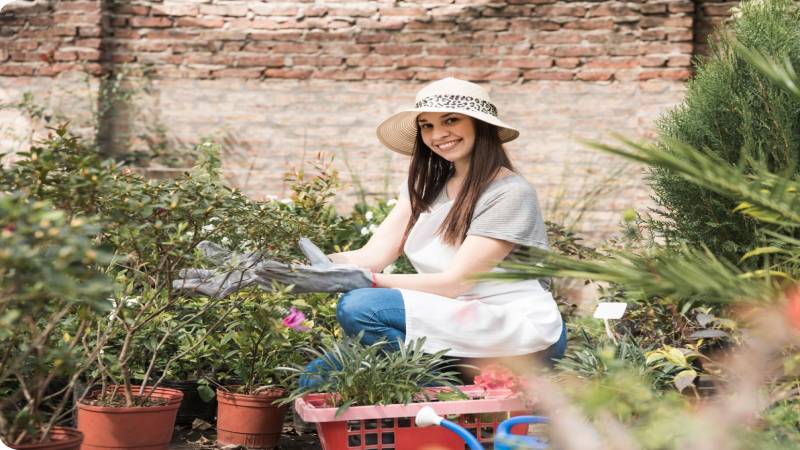
A beautiful garden can make any home feel more peaceful, welcoming, and attractive. Whether you have a large outdoor space, a small backyard, or a few pots on a balcony, gardening is a wonderful way to bring nature into your daily life. A well-maintained garden not only improves the appearance of your home but also provides a relaxing place where you can spend time with family, enjoy fresh air, and connect with nature.
Creating a beautiful garden does not always require expensive tools, professional help, or complicated designs. With proper planning, regular care, and a little creativity, anyone can develop a healthy and attractive outdoor space.
Following decoradhouse garden tips by decoratoradvice can help beginners and experienced gardeners understand the basic principles of garden planning, plant selection, watering, decoration, and maintenance. The key is to focus on simple ideas that are easy to follow and suitable for your available space.
In this article, we will explore practical gardening guidelines that can help you transform an ordinary outdoor area into a beautiful green environment.
1. Plan Your Garden Before Planting
Good planning is the foundation of a successful garden. Before purchasing plants or arranging decorations, take some time to understand your outdoor space.
First, measure the available area and observe how much sunlight it receives throughout the day. Some gardens receive direct sunlight for several hours, while others remain mostly shaded. This information will help you choose suitable plants.
Consider the following points when planning your garden:
- Identify sunny and shaded areas.
- Decide where you want flowers, shrubs, and trees.
- Leave enough walking space between plants.
- Choose a suitable location for garden seating.
- Consider the amount of time you can spend on maintenance.
A simple garden layout can prevent overcrowding and make future maintenance easier.
2. Choose the Right Plants for Your Climate
Plant selection plays an important role in garden health. Different plants require different temperatures, sunlight levels, and watering schedules. Choosing plants that naturally grow well in your local climate can reduce maintenance and improve their chances of survival.
For warmer climates, consider heat-tolerant plants such as marigolds, bougainvillea, hibiscus, and selected varieties of succulents. For cooler environments, pansies, petunias, and other seasonal flowers may be suitable.
Before purchasing a plant, check its basic requirements:
- How much sunlight does it need?
- Does it require frequent watering?
- What type of soil supports its growth?
- How large will it become?
- Is it suitable for your local weather?
Native plants are often excellent choices because they are adapted to local environmental conditions. They may also support butterflies, bees, and other beneficial insects.
3. Prepare Healthy Soil
Healthy soil is essential for strong roots and healthy plant growth. Even beautiful plants may struggle if they are growing in poor-quality soil.
Start by checking whether your soil is sandy, clay-heavy, or loamy. Loamy soil is generally suitable for many garden plants because it balances drainage and moisture retention.
You can improve garden soil by adding organic matter such as compost, decomposed leaves, or well-rotted manure. These materials help improve soil structure and provide nutrients.
Here are some useful soil preparation guidelines:
- Remove stones, weeds, and unwanted debris.
- Loosen compacted soil before planting.
- Mix suitable organic compost into the soil.
- Check drainage to prevent waterlogging.
- Avoid adding excessive fertilizer.
Good soil preparation gives plants a stronger foundation and reduces many common gardening problems.
4. Follow a Proper Watering Schedule
Water is one of the most important requirements for plant growth. However, watering too much or too little can damage plants.
Different plants have different moisture requirements. Some flowers need regular watering, while drought-tolerant plants can survive with less frequent watering.
The best approach is to check the soil before watering. If the upper layer feels dry, many plants may need water. However, always consider the specific needs of each plant.
Follow these simple watering guidelines:
- Water plants early in the morning when possible.
- Direct water toward the soil rather than soaking the leaves.
- Avoid leaving plant roots in standing water.
- Use containers with proper drainage holes.
- Adjust watering according to rainfall and temperature.
During hot summer months, plants may require more frequent watering. In cooler weather, their water requirements may decrease.
5. Add Color with Flowers and Seasonal Plants
Flowers bring beauty, freshness, and personality to a garden. They can make even a small outdoor area look more attractive.
Choose flowers with different colors, shapes, and blooming periods. This approach helps maintain visual interest throughout the year.
For example, marigolds can add bright yellow and orange colors, while petunias offer several shades for decorative arrangements. Roses can provide a classic appearance, and hibiscus flowers can create a tropical atmosphere.
You can also arrange flowers according to color combinations. White and purple flowers create a calm appearance, while red and yellow flowers give a lively and energetic feeling.
Avoid planting too many different varieties in one small area. A balanced combination of colors often looks more attractive than an overcrowded arrangement.
6. Use Pots and Containers Creatively
Container gardening is an excellent solution for people who have limited outdoor space. It allows you to grow flowers, herbs, and even some vegetables on balconies, patios, rooftops, and small terraces.
You can choose containers made from clay, ceramic, plastic, wood, or metal. Each material has different advantages, so consider your climate, budget, and decorative preferences.
Some useful container gardening ideas include:
- Use clay pots for a natural and traditional appearance.
- Place colorful containers near entrances.
- Arrange small pots on shelves or steps.
- Grow herbs in separate containers near the kitchen.
- Use hanging baskets to save floor space.
Always select containers with drainage holes. The size of the container should also match the plant’s root system.
7. Maintain Your Garden Regularly
Regular maintenance keeps a garden clean, healthy, and attractive. Even a simple garden requires occasional attention.
Weeds should be removed before they spread and compete with plants for water and nutrients. Dead flowers and damaged leaves should also be removed when appropriate.
Pruning is another important gardening activity. It helps maintain plant shape, encourages healthy growth in suitable species, and removes damaged branches.
A basic maintenance routine should include:
- Checking plants for insects and diseases.
- Removing weeds from flower beds.
- Cleaning dry leaves and fallen branches.
- Trimming plants when necessary.
- Checking soil moisture.
- Cleaning pots and garden pathways.
You do not need to complete every task in one day. Dividing maintenance activities throughout the week makes gardening easier and less stressful.
8. Add Simple Garden Decorations
Garden decorations can improve the overall appearance of an outdoor space. However, decorations should complement plants rather than take attention away from them.
You can use natural stones, decorative pots, small garden statues, lanterns, or wooden features to create an attractive environment.
For a peaceful garden, consider adding a small seating area with a comfortable chair or bench. This creates a place where you can relax and enjoy the surroundings.
Lighting is another useful decorative feature. Solar-powered garden lights can illuminate pathways, highlight flower beds, and create a pleasant atmosphere during the evening.
Try to maintain a consistent design theme. Too many decorations can make a garden appear crowded and disorganized.
9. Grow Your Own Herbs and Vegetables
A garden can be both beautiful and practical. Growing herbs and vegetables at home allows you to enjoy fresh produce while making better use of available space.
Some easy plants for beginners include mint, coriander, basil, spinach, lettuce, and green onions.
Herbs can grow successfully in small containers when they receive suitable sunlight, water, and soil conditions.
Vegetable gardening also teaches patience and responsibility. You can observe the complete growing process, from planting seeds to harvesting mature vegetables.
Start with a few easy varieties rather than planting everything at once. Once you understand their requirements, you can gradually expand your vegetable garden.
10. Make Your Garden Environmentally Friendly
An environmentally friendly garden supports nature while reducing unnecessary waste.
One simple method is composting. Kitchen vegetable scraps, dry leaves, and suitable garden waste can be composted to create organic material for improving soil.
You can also collect rainwater where practical and use it for watering plants. This helps conserve fresh water.
Other environmentally friendly gardening practices include:
- Choose plants suited to local weather conditions.
- Avoid unnecessary chemical pesticides.
- Encourage beneficial insects and pollinators.
- Reuse suitable containers for planting.
- Use organic mulch to help retain soil moisture.
- Keep garden waste separate from general household waste when composting.
These small steps can make your garden more sustainable and beneficial to the surrounding environment.
11. Create a Beautiful Garden in Small Spaces
You do not need a large backyard to enjoy gardening. Even a small balcony, rooftop, or narrow outdoor corner can become a pleasant green space.
Vertical gardening is especially useful when floor space is limited. You can use wall-mounted planters, hanging baskets, or sturdy shelves to arrange plants vertically.
Choose compact plants that do not require too much space. Small flowering plants, herbs, and selected ornamental varieties are excellent options.
Keep the arrangement simple and avoid placing too many containers close together. Plants need enough room for proper air circulation and healthy growth.
For additional comfort, add a small chair, a decorative mat, or a few outdoor cushions. These features can turn a small garden into a relaxing personal corner.
12. Common Gardening Mistakes to Avoid
Beginners sometimes make simple mistakes that affect plant growth. Understanding these problems can help you maintain a healthier garden.
Overwatering: Too much water can damage roots and encourage fungal problems. Always check soil moisture before watering.
Choosing unsuitable plants: Some plants cannot tolerate local temperatures or sunlight conditions. Research their requirements before planting.
Ignoring drainage: Poor drainage can cause water to collect around roots. Use suitable soil and containers with drainage holes.
Planting too closely: Overcrowded plants compete for sunlight, water, and nutrients. Follow recommended spacing guidelines.
Using excessive fertilizer: Too much fertilizer may damage roots and negatively affect plant health. Follow product instructions carefully.
Ignoring regular care: A garden can quickly become untidy without occasional cleaning, pruning, and inspection.
Avoiding these common problems makes gardening more enjoyable and improves the overall appearance of your outdoor space.
13. Build a Simple Weekly Gardening Routine
A weekly routine can help you manage gardening activities without spending too much time every day.
Here is a simple example:
| Day | Gardening activity |
|---|---|
| Monday | Check soil moisture and water plants if needed |
| Tuesday | Remove weeds and dry leaves |
| Wednesday | Inspect plants for pests |
| Thursday | Clean pots and garden pathways |
| Friday | Prune plants when necessary |
| Saturday | Add compost or mulch if required |
| Sunday | Arrange decorations and enjoy your garden |
Remember that this is only a general schedule. Actual watering, pruning, and fertilizing requirements depend on the plant species and local weather.
Conclusion
Creating a beautiful garden is a rewarding activity that combines creativity, patience, and regular care. Whether you have a large backyard or a small balcony, you can build a healthy green environment by making thoughtful choices.
Start with proper planning, choose plants that suit your climate, prepare healthy soil, and follow appropriate watering practices. Add colorful flowers, attractive containers, and simple decorations to improve the overall appearance. Regular maintenance and environmentally friendly habits will help your garden remain healthy throughout the seasons.
The most important lesson from decoradhouse garden tips by decoratoradvice is that successful gardening does not depend on expensive materials or complicated designs. Small improvements, consistent attention, and a little creativity can make a significant difference.
Start with a few plants, learn their needs, and gradually develop your garden. With time and patience, an ordinary outdoor space can become a beautiful, refreshing place that brings happiness and natural beauty to your home.See More