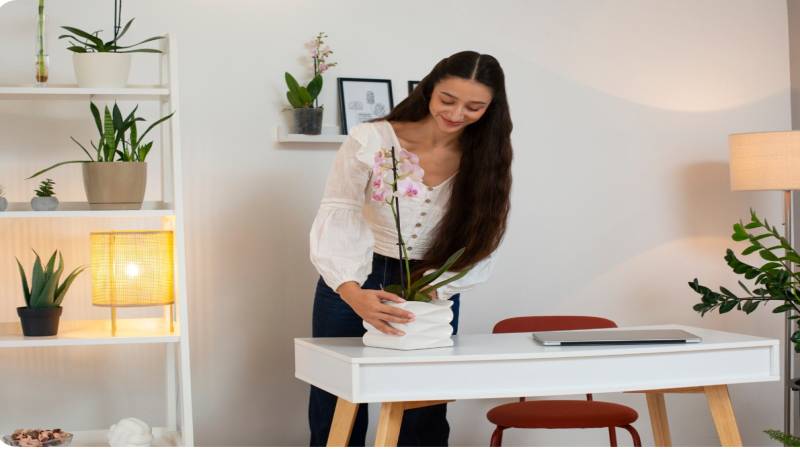
The concept of decoration tips decoradhouse from decoratoradvice focuses on practical inspiration for creating attractive interiors while maintaining comfort and functionality. Whether you live in a small apartment, a family house, or a spacious property, understanding basic decorating principles can help you make better decisions.
This article explores simple home decoration ideas, useful planning guidelines, color selection, furniture arrangement, lighting techniques, budget-friendly improvements, and common mistakes to avoid. The goal is to help readers create a beautiful home that reflects their preferences and supports their everyday needs.
1. Start With a Clear Decorating Plan
Before purchasing furniture or changing your interior design, create a basic decorating plan. Planning helps you understand what your home needs and prevents unnecessary spending.
Begin by examining each room carefully. Identify areas that need improvement, such as empty walls, poor lighting, crowded furniture, or limited storage. Consider how you use each space and what changes would make daily activities easier.
For example, a living room may need comfortable seating and better lighting, while a bedroom may benefit from soft colors and organized storage.
Follow these simple planning guidelines:
- Decide which room you want to decorate first.
- Establish a realistic budget.
- Identify the furniture and accessories you already own.
- Choose a decorating style that suits your preferences.
- Measure the available space before purchasing new items.
- Prioritize practical improvements over unnecessary decorations.
A clear plan helps you maintain consistency throughout the project. It also makes decorating less stressful because you can complete one task at a time instead of attempting everything together.
2. Choose the Right Color Scheme
Color has a major influence on the appearance and atmosphere of a room. The right combination can make a space feel calm, cheerful, spacious, or sophisticated.
Neutral colors such as white, beige, cream, and soft gray provide a flexible foundation. They work well with different furniture styles and allow decorative accessories to stand out.
If you prefer a more colorful interior, consider adding shades of green, blue, terracotta, or muted yellow. These colors can introduce personality without making the room feel overwhelming.
A useful approach is to select three complementary colors. Choose one main color for larger surfaces, a secondary color for furniture or curtains, and an accent color for cushions, artwork, or decorative objects.
For example, a room with cream walls, natural wood furniture, and green cushions can feel warm and balanced.
Before choosing paint, observe how natural and artificial light affect the room. A color may look different in the morning than it does in the evening. Testing a small sample on the wall can help you make a more confident decision.
The most important guideline is to choose colors that you enjoy and that work well together rather than following every passing trend.
3. Arrange Furniture for Comfort and Functionality
Furniture arrangement affects both the appearance and usability of a room. Even attractive furniture can make a space uncomfortable if it blocks movement or creates unnecessary clutter.
Start by identifying the main purpose of the room. In a living room, seating should encourage conversation and provide a comfortable view of the television or another focal point. In a bedroom, the bed should usually have enough surrounding space for easy movement.
Avoid placing every piece of furniture directly against a wall simply because it seems convenient. Depending on the room’s size, moving seating slightly inward can create a more inviting arrangement.
Keep walkways clear and ensure that doors, windows, and storage areas remain accessible. Smaller rooms benefit from furniture that serves more than one purpose, such as storage ottomans, folding tables, or beds with drawers.
Before moving heavy items, measure the room and sketch a simple floor plan. This can save time and help you identify a practical layout.
Good furniture arrangement balances appearance with everyday comfort. A room should look attractive, but it should also be easy to use.
4. Improve Lighting in Every Room
Lighting is one of the most effective ways to improve an interior. It influences how colors appear, highlights decorative details, and helps create a comfortable atmosphere.
Whenever possible, make good use of natural light. Keep windows reasonably clear, avoid blocking them with oversized furniture, and choose curtains that allow sunlight to enter when privacy requirements permit.
Artificial lighting should support different activities. A combination of general, task, and accent lighting often works better than relying on a single ceiling light.
- General lighting: Provides overall illumination for the room.
- Task lighting: Helps with activities such as reading, cooking, or working.
- Accent lighting: Highlights artwork, shelves, architectural details, or decorative objects.
For a cozy bedroom, warm-toned lighting can create a relaxing environment. Kitchens and work areas may require brighter, more focused illumination for practical tasks.
Mirrors can also help reflect available light and make some rooms feel more open. Position them carefully so they reflect attractive views or bright areas rather than unwanted clutter.
When selecting lighting, consider energy efficiency, ease of maintenance, and the needs of everyone using the space.
5. Use Textures and Fabrics to Add Warmth
A room can feel plain even when its furniture and colors are well chosen. Introducing different textures adds depth and makes the interior more inviting.
Soft cushions, woven rugs, linen curtains, knitted throws, and natural wood surfaces can create visual interest without requiring major changes.
For example, a neutral sofa can look more attractive with cushions in different fabrics and complementary colors. A simple bedroom can feel more comfortable with layered bedding and a soft rug beside the bed.
The key is to maintain balance. Too many patterns, textures, and colors can make a small room feel crowded. Choose a few materials that complement one another and repeat them throughout the space.
Practical considerations also matter. Select washable fabrics for busy family areas and durable materials for frequently used furniture. In homes with pets or young children, easy-to-clean textiles may be more useful than delicate decorative fabrics.
Textures should improve comfort as well as appearance. When selected carefully, they make an interior feel complete without requiring expensive accessories.
6. Decorate Walls With Purpose
Walls offer valuable opportunities to introduce personality into a home. Empty walls can make a room feel unfinished, while thoughtfully selected decorations create interest and establish a focal point.
Artwork, framed photographs, decorative mirrors, wall shelves, and handmade crafts are all useful options.
When displaying pictures, consider their size and placement. A large artwork can work well above a sofa, while a collection of smaller frames may create an attractive gallery wall. Keeping frames or colors visually connected can help the arrangement feel organized.
Avoid hanging every decoration too high. Artwork generally looks best when positioned at a comfortable viewing height and in proportion to the furniture beneath it.
Wall shelves can display books, plants, and personal objects, but they should not become crowded storage areas. Leave some empty space so individual items remain visible.
If you rent your home, removable hooks and other renter-friendly solutions may help reduce damage to walls. Always follow the product instructions and check the wall material before installing heavy objects.
The purpose of wall decoration is to express personality and enhance the room, not to fill every available space.
7. Bring Nature Indoors With Plants
Indoor plants can add color, texture, and a natural feeling to an interior. They also provide a simple way to decorate empty corners, shelves, windowsills, and tables.
Choose plants according to the light and temperature conditions in your home. Some plants need bright indirect light, while others tolerate lower-light environments. Consider how much time you can devote to watering and general care.
If you have limited floor space, smaller pots or hanging planters may be suitable. Larger plants can create a focal point in spacious rooms, provided they do not obstruct walkways.
Select containers that complement your decorating style. Ceramic pots, simple terracotta containers, and woven baskets can all work well when used appropriately.
If maintaining live plants is difficult, high-quality artificial plants may provide a similar decorative effect without regular watering.
Remember that some plants can be harmful to pets or children if eaten. Check plant safety before bringing unfamiliar varieties into your home.
Plants should fit naturally into the room and remain easy to maintain.
8. Make Small Spaces Feel Larger
Small homes and apartments can be attractive and functional when space is used carefully. The objective is not necessarily to make every room appear enormous but to create a sense of openness and reduce visual clutter.
Start by removing items that are no longer useful. Too many objects on tables, shelves, and floors can make a room feel crowded.
Choose furniture that matches the room’s proportions. Oversized sofas and large cabinets may limit movement, while appropriately sized furniture leaves more usable space.
Other useful ideas include:
- Use vertical shelves to increase storage without occupying much floor space.
- Select furniture with built-in storage where practical.
- Use mirrors to reflect light and create a greater sense of depth.
- Choose curtains that suit the height and width of the windows.
- Keep frequently used items accessible and store occasional items elsewhere.
- Use a consistent color palette to create visual continuity.
Multi-purpose furniture can be especially helpful in studio apartments and small bedrooms. A desk that folds away or a bench with hidden storage can serve several needs without adding unnecessary furniture.
Careful organization is often more effective than purchasing additional decorative items.
9. Follow Budget-Friendly Decorating Ideas
Creating an attractive home does not require spending a large amount of money. Many improvements involve rearranging existing belongings, making small repairs, or introducing inexpensive decorative changes.
Begin by shopping your own home. An accessory from one room may work better in another, and rearranging furniture can give a familiar space a completely different appearance.
Consider repainting an old table, replacing cabinet handles, updating cushion covers, or framing personal photographs. These small changes can refresh an interior without requiring a complete renovation.
Thrift stores, secondhand markets, and local craft sellers may also provide affordable decorative items. Inspect used furniture carefully for structural damage, pests, and signs of excessive wear before purchasing it.
Prioritize spending on items that affect comfort and daily use, such as a supportive mattress, practical lighting, or durable seating. Decorative accessories can be added gradually as your budget allows.
Avoid buying items simply because they are discounted. A low price does not represent good value if the product does not fit your space or needs.
A thoughtful approach to decoration tips decoradhouse from decoratoradvice involves making practical choices, reusing suitable items, and improving your home gradually rather than spending beyond your means.
10. Avoid Common Home Decorating Mistakes
Some decorating mistakes can reduce the comfort and appearance of an otherwise attractive room. Fortunately, many are easy to prevent.
One common mistake is choosing furniture without measuring the available space. Always check dimensions, doorways, and access routes before making a purchase.
Another mistake is using too many decorative accessories. Crowded surfaces can make cleaning difficult and distract attention from the room’s best features.
Poor lighting is also a frequent problem. A single bright light may create harsh shadows, while insufficient illumination can make useful spaces uncomfortable.
Ignoring functionality can lead to additional difficulties. Delicate rugs in busy areas, impractical storage, or furniture that blocks movement may look appealing initially but become inconvenient over time.
Finally, avoid changing your entire interior simply to follow a trend. Popular styles can provide inspiration, but your home should reflect your needs, preferences, and lifestyle.
A balanced decorating approach combines personal expression with practical decisions.
Conclusion
Home decoration is a process of making living spaces more comfortable, attractive, and useful. By planning carefully, selecting suitable colors, arranging furniture thoughtfully, improving lighting, and introducing textures, anyone can make meaningful improvements to their home.
The principles discussed in decoration tips decoradhouse from decoratoradvice emphasize simple decisions that support both beauty and everyday functionality. Small changes, such as organizing shelves, adding plants, updating fabrics, or rearranging furniture, can make a noticeable difference without requiring a major budget.
The best decorating approach is one that suits your lifestyle, available space, and personal taste. Start with the areas that need the most attention, make improvements gradually, and avoid unnecessary purchases.
Ultimately, a beautiful home is not defined by expensive furniture or perfect decoration. It is a place where people feel comfortable, welcome, and able to enjoy their everyday lives.See More