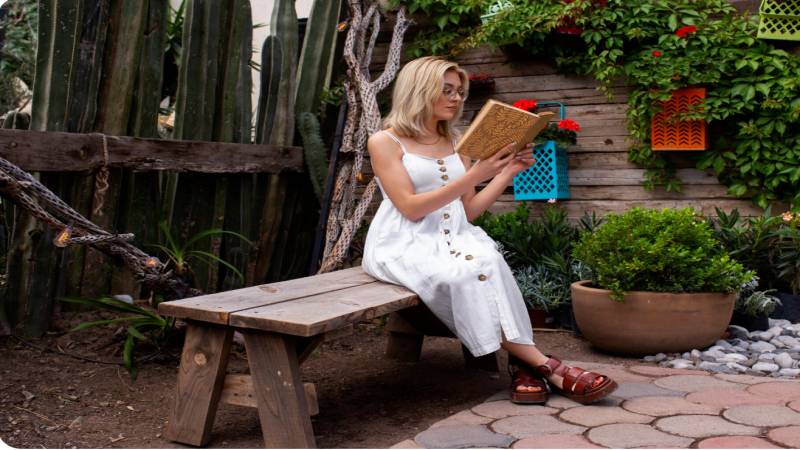
Robert Mygardenandpatio represents a useful topic for exploring garden care, patio design, outdoor furniture, and practical ways to improve residential outdoor spaces. Understanding the basics of outdoor design can help homeowners make better decisions, avoid unnecessary expenses, and maintain an attractive environment throughout the year.
Creating a welcoming garden or patio does not always require a large budget. Simple improvements, such as adding colorful plants, arranging comfortable seating, improving lighting, and keeping the area clean, can make a noticeable difference. The key is to understand your available space and choose features that suit your lifestyle.
1. Understanding the Importance of Outdoor Spaces
Outdoor spaces are valuable extensions of a home. A well-maintained garden or patio can provide a comfortable place to relax after a busy day. It can also become a practical area for outdoor dining, family gatherings, reading, or enjoying a morning cup of coffee.
Gardens offer additional benefits because plants contribute color, texture, and natural beauty. Trees and shrubs can provide shade and privacy, while flowering plants create visual interest. Even a small collection of pots can make a balcony or patio feel more welcoming.
A carefully planned outdoor area can also improve the overall appearance of a property. Although landscaping does not guarantee a particular increase in property value, attractive and well-maintained surroundings can contribute to a positive first impression.
The best outdoor spaces combine appearance with functionality. Instead of filling every available corner with decorations, consider how you intend to use the area. This approach helps create a balanced environment that is both attractive and practical.
2. Planning a Garden That Suits Your Home
Good garden design begins with careful planning. Before purchasing plants or outdoor accessories, examine the available space and identify its main features.
Consider the amount of sunlight your garden receives during the day. Some plants grow well in direct sunlight, while others prefer partial shade. Understanding these conditions makes it easier to select suitable plants and reduce maintenance problems.
Soil quality is another important factor. Different plants require different soil conditions, drainage levels, and nutrient availability. Testing the soil or asking a local gardening expert for advice can help you make informed choices.
Think about the amount of time you can dedicate to gardening. If you have a busy schedule, choose plants that require relatively little maintenance. Native plants are often worth considering because they may be better adapted to the local climate and growing conditions.
It is also helpful to divide the garden into functional areas. You might create one section for flowers, another for herbs, and a small open space for seating. Clear organization can make even a modest garden feel spacious and easy to maintain.
3. Choosing the Right Plants
Plants play a central role in creating an attractive outdoor environment. The right selection depends on climate, sunlight, soil, available space, and personal preference.
Flowering plants can introduce bright colors and seasonal variety. Evergreen shrubs provide structure throughout the year, while ornamental grasses can add movement and texture. Herbs such as mint, basil, and rosemary may provide both decorative and practical benefits when grown in suitable conditions.
When selecting plants, consider their mature size. A small plant may eventually become too large for its location, blocking pathways or competing with nearby plants for sunlight and nutrients. Checking growth requirements before planting can prevent future problems.
Water requirements should also influence your choices. Plants with similar watering needs are often easier to manage when grouped together. This can help reduce water waste and make regular maintenance more efficient.
Avoid overcrowding the garden. Plants need sufficient room for healthy growth and airflow. Leaving appropriate spaces between them can reduce competition and make pruning, watering, and pest inspection easier.
4. Designing a Comfortable and Functional Patio
A patio can serve as an outdoor living room. With suitable furniture and a practical layout, it can become an inviting place for meals, conversations, and quiet relaxation.
Start by deciding how the patio will be used. If you regularly eat outdoors, a table and chairs may be the most important features. If relaxation is your priority, comfortable chairs, a small side table, and shade may be more useful.
Choose furniture that fits the available area. Large furniture can make a small patio feel crowded, while pieces that are too small may not provide enough seating. Measure the space before buying anything and leave clear walking paths.
Materials also matter. Weather-resistant furniture made from suitable metal, treated wood, resin, or outdoor-rated plastic can be practical choices. Each material has different maintenance requirements, so consider your climate and the amount of care you are willing to provide.
Cushions and outdoor rugs can introduce color and comfort. However, they should be suitable for outdoor conditions and stored or protected when heavy rain or harsh weather is expected.
For a cohesive appearance, choose a simple color scheme that complements the home and surrounding plants. A few coordinated details often look better than too many unrelated decorations.
5. Improving Outdoor Lighting
Lighting can make a garden or patio more useful after sunset. It improves visibility, highlights attractive features, and creates a comfortable atmosphere for evening activities.
Path lights can help people move safely through walkways. Wall-mounted lights may illuminate entrances, while softer decorative lighting can make seating areas feel more inviting.
Solar-powered lights are worth considering where sufficient sunlight is available. They generally require less wiring, although their performance depends on sunlight exposure, battery condition, and product quality.
For areas used regularly at night, select lighting that provides adequate visibility without producing excessive glare. Position lights carefully to avoid shining directly into people’s eyes or neighboring properties.
Outdoor electrical equipment should be rated for its intended environment. Follow installation instructions and consult a qualified electrician when wiring or electrical connections are required.
A balanced lighting plan should focus on safety and usability rather than brightness alone. Combining a few practical lights with subtle decorative options can create a pleasant setting.
6. Maintaining a Clean and Healthy Garden
Regular maintenance helps keep outdoor spaces attractive and prevents small problems from becoming expensive repairs.
Water plants according to their needs, taking rainfall, soil conditions, and temperature into account. Watering deeply when appropriate is often more useful than frequent, shallow watering. Early morning can be a practical time because it allows plants to absorb moisture before the hottest part of the day.
Remove dead leaves, weeds, and damaged plant material as needed. Prune shrubs and flowering plants according to their growth habits and recommended seasons. Avoid excessive pruning, which can weaken some plants or reduce flowering.
Inspect plants regularly for signs of pests, disease, or nutrient deficiencies. Early identification makes it easier to choose an appropriate response. Use pest-control products carefully and follow their labels, particularly around children, pets, and edible plants.
Patios also require routine care. Sweep away leaves, clean furniture, check drainage, and remove slippery algae or moss using methods appropriate for the surface material.
Keeping tools organized makes gardening more efficient. Store sharp equipment safely, clean tools after use, and protect them from moisture to extend their lifespan.
7. Creating an Outdoor Space on a Budget
Improving a garden or patio does not require purchasing everything at once. A gradual approach allows homeowners to prioritize the most useful changes and spread costs over time.
Begin by cleaning the existing area and repairing anything that needs attention. Rearranging current furniture, trimming overgrown plants, and removing unnecessary clutter can produce visible improvements at little cost.
Consider growing plants from seeds or propagating suitable plants from existing ones. Reusing containers, when they provide adequate drainage and are safe for growing plants, can also reduce expenses.
Compare prices before purchasing furniture, lighting, or decorative items. Focus on durability rather than appearance alone. An inexpensive item that quickly deteriorates may cost more over time than a well-made alternative.
You can also improve the space in stages. Start with essential features such as seating, basic lighting, and healthy plants. Add decorative accessories later when your budget allows.
The goal is not to copy an expensive garden design but to create an outdoor environment that meets your needs and remains manageable.
8. Making Sustainable Outdoor Choices
Sustainable gardening practices can help conserve resources and support local wildlife. Choosing plants suited to the local climate may reduce the need for excessive watering, fertilizers, and ongoing maintenance.
Collecting rainwater for appropriate gardening uses can help reduce reliance on treated water where local rules and conditions permit. Mulching around plants can conserve soil moisture, limit weeds, and improve soil conditions as organic materials break down.
Composting suitable garden waste and uncooked fruit or vegetable scraps can produce useful organic material for many gardens. Avoid adding materials that are unsuitable for your composting system, and manage the compost properly to prevent unpleasant odors or pests.
Native flowering plants can provide food and shelter for local pollinators. Avoid using pesticides unnecessarily, and select less harmful methods when dealing with garden pests.
Durable outdoor furniture and reusable containers can also reduce waste. When buying new products, consider their expected lifespan, repairability, and suitability for the local environment.
Small changes made consistently can contribute to a healthier and more resource-conscious outdoor space.
9. Adapting Your Garden to Seasonal Changes
Gardens change throughout the year, and seasonal care helps plants and outdoor furniture remain in good condition.
During warmer months, monitor soil moisture and provide shade for plants that cannot tolerate intense sunlight. Check outdoor cushions and furniture for signs of fading or weather damage.
In cooler seasons, remove fallen leaves where they could block drains or create slippery surfaces. Protect sensitive plants according to local climate conditions and avoid watering when freezing temperatures could damage them.
Before periods of heavy rain, check that water can drain away from patios, paths, and the house foundation. Standing water can damage surfaces and create conditions that encourage pests.
Seasonal planning also helps maintain visual interest. Combining plants with different flowering periods, foliage colors, and growth habits can keep the garden attractive across much of the year.
Conclusion
A beautiful garden and patio can improve everyday living by providing a comfortable place to relax, entertain guests, and enjoy nature. Achieving this does not require a large property or an unlimited budget. Careful planning, suitable plants, practical furniture, effective lighting, and consistent maintenance can make a meaningful difference.
The principles discussed in Robert Mygardenandpatio offer a useful framework for thinking about outdoor design in a simple and organized way. By considering your available space, climate, budget, and personal preferences, you can create an environment that reflects your needs.
Start with manageable improvements, choose durable materials, and make decisions based on long-term practicality. With regular attention and thoughtful choices, your garden or patio can remain welcoming, functional, and attractive throughout the year.See More